Executive Summary
On September 29, 2026, six Samsung affiliates said they are putting a combined $1 billion, about 1.36 trillion won, into Helix. Helix is a company the private equity firm KKR set up this past June. It builds and runs data centers, and it does not hand over the building alone. The power that goes inside, the equipment that brings that power in, and the fiber network go over in the same package. Samsung Electronics is putting up $500 million, and Samsung C&T, Samsung SDS, Samsung SDI, Samsung Life Insurance and Samsung Fire & Marine Insurance are splitting the other $500 million. This article looks at what that package is and why a company that sold parts went in as a shareholder.
Adam Selipsky, the chief executive of Helix, went on CNBC the day the company launched and said more than 25% of announced data center projects are not delivering, and that the share keeps growing. The shortage is not in chips. It is in power and land. Wood Mackenzie put the average lead time for a large power transformer at 128 weeks in its second-quarter 2025 supply chain survey, with prices up 77% from 2019. Samsung bought a stake in Helix this time, not a data center, and the affiliates came away with the work of supplying and building.
Sections 1 through 4 report what Samsung's official release and the coverage in Korea and abroad say. Section 5 reads those same facts through the lens of data quality, and that reading belongs to this article.
Key Figures
Sources: Samsung Newsroom release, Selipsky's CNBC appearance on June 11, 2026, Wood Mackenzie Q2 2025 supply chain survey.
$1 billion
Joint investment by six Samsung affiliates
About 1.36 trillion won. Samsung Electronics covers half and the other five split the rest
$11 billion
Capital committed to Helix
More than $10 billion at launch, with the Samsung investment placed on top of it
25%
Announced data center projects that are not delivering
More than one announced project in four is not moving as announced, by Selipsky's account
128 weeks
Average wait for a large power transformer
Two and a half years from order to delivery, at prices 77% above 2019. Wood Mackenzie, Q2 2025
Six Affiliates Funded One Company and Split the Work
Samsung Electronics, Samsung C&T, Samsung SDS, Samsung SDI, Samsung Life Insurance, Samsung Fire & Marine Insurance. Six companies in six different lines of business announced on September 29, 2026 that they are putting money into the same place on the same day. The recipient is Helix alone and the amount comes to $1 billion. Samsung Electronics covers $500 million and the remaining five divide the other $500 million.
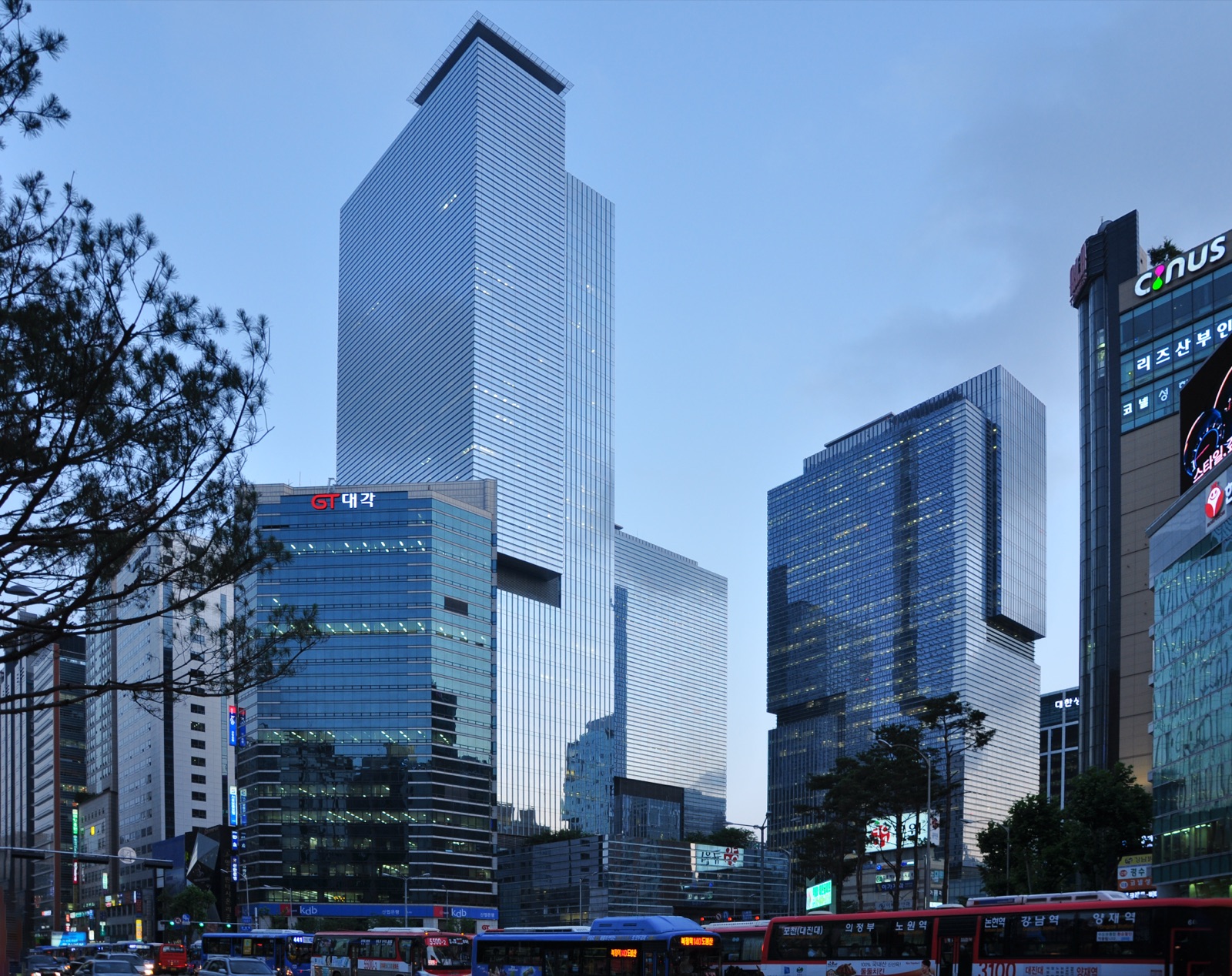
An investment that several affiliates join is not unusual in itself. What stands out in this announcement is that the release also writes down what each contributor will do. The Samsung Newsroom release states, one line each, what Samsung Electronics' two divisions, Samsung C&T, Samsung SDS and Samsung SDI will supply. Of the six, only Samsung Life Insurance and Samsung Fire & Marine Insurance appear on the investor list without a stated role.
| Affiliate | Role |
|---|---|
| Samsung Electronics, Device Solutions | State-of-the-art semiconductors for the data centers |
| Samsung Electronics, Device eXperience | Air cooling systems and liquid cooling equipment |
| Samsung C&T | Engineering, procurement and construction for data centers and power generation |
| Samsung SDS | Data center build and operation, GPU-as-a-Service |
| Samsung SDI | Uninterruptible power supplies and battery backup units |
| Samsung Life, Samsung Fire & Marine | No role stated in the release. Participating in the investment only |
Chips, cooling, the building, operations, power. List what it takes to put up one data center and keep it running, and the list nearly matches this one, with two financial affiliates adding money behind it. This does not read like affiliates walking in separately to sell their own goods. It reads like goods from several companies gathered onto a single supply sheet.
Selipsky's response appeared not in the Samsung release but in the separate announcement Helix and KKR issued the same day. He said Samsung's commitment "is a strong vote of confidence in Helix's strategy and further deepens the long-term capital base we've built to meet the scale of AI infrastructure demand," and added that "as one of the world's leading technology companies, Samsung brings unique capabilities that we expect will benefit Helix and its customers." Samsung's own release closes by saying the affiliates "aim to accelerate global AI data center deployment alongside Helix, while maximizing collaborative synergies among participating companies." Two sentences describe the same arrangement from opposite ends. Helix gains capital and a supply line, and Samsung gains a site where its own goods go in.
What Helix Sells Is Not a Building
Helix launched on June 11, 2026. KKR led it, and the Kuwait Investment Authority, NVIDIA and the US power company Vistra came in as founding investors, starting the company with more than $10 billion in capital. Add this Samsung investment and the committed capital passes $11 billion. Samsung arrived a little over three months later, and both the release and the Korean coverage list the Samsung affiliates as founding investors alongside the earlier four. The chief executive is Adam Selipsky, who ran Amazon Web Services, and Waldemar Szlezak, who heads infrastructure investment at KKR, doubles as chief investment officer. The company also draws on KKR's dedicated infrastructure business of about 170 professionals.
What the company puts on the market is not a single hyperscale data center. On top of developing and operating the data center, it sells the generation that feeds the site, the transmission and distribution that carries the power in, and the fiber-optic network that connects it outward, all in one package. A line Selipsky wrote on LinkedIn explains why it is bundled this way. Data centers, power, and connectivity, he wrote, "have all too often been built on separate tracks," and in the AI-era build-out "that fragmentation has become an industry-wide bottleneck."
The figure Selipsky offers as evidence that this diagnosis is not overstated is the 25% mentioned above. On CNBC the day the company launched, he said more than one in four projects announced with a promise to build are not delivering, and that the share is rising. He also called it a misnomer that complex data center projects scale easily. The reason he pointed to is growing opposition from residents near the sites. Seattle's city council had in fact passed an ordinance two days earlier, on June 9, halting new large data centers for a year, with a unanimous vote. The distance between the announcement to build and the day the power actually comes on is widening.
The numbers on the power side point the same way. In its second-quarter 2025 supply chain survey, Wood Mackenzie put the average lead time for a large power transformer at 128 weeks from order to delivery, at prices 77% above 2019. Jim Burke, chief executive of the founding investor Vistra, said power generation and grid interconnections "are critical gating factors for AI infrastructure deployments." Vistra holds generation assets across 18 US states and Washington, DC, and has already signed more than 5,000MW of power purchase agreements with hyperscale operators. That is why Helix brought a power producer in as a founding shareholder rather than buying electricity separately.
Scattered Capabilities in a Single Deal
Not one capability in the section 1 role list is newly built. Samsung Electronics sells semiconductors, Samsung C&T builds power plants and process facilities, Samsung SDS operates data centers, and Samsung SDI makes batteries. All four were doing that work before this announcement came out. The evidence the release puts forward is existing track record throughout. It states that Samsung SDS holds the lowest power usage effectiveness level in Korea and applies it to the Korea AI Computing Center as well as to its own sites. Cooling is the one piece that is somewhat new, and even that came in with the 2025 acquisition of the German HVAC company FläktGroup, which already runs 14 production sites worldwide and a supply and service network across 65 countries. This announcement is less an entry into a business Samsung did not have than a gathering of scattered pieces into one deal.
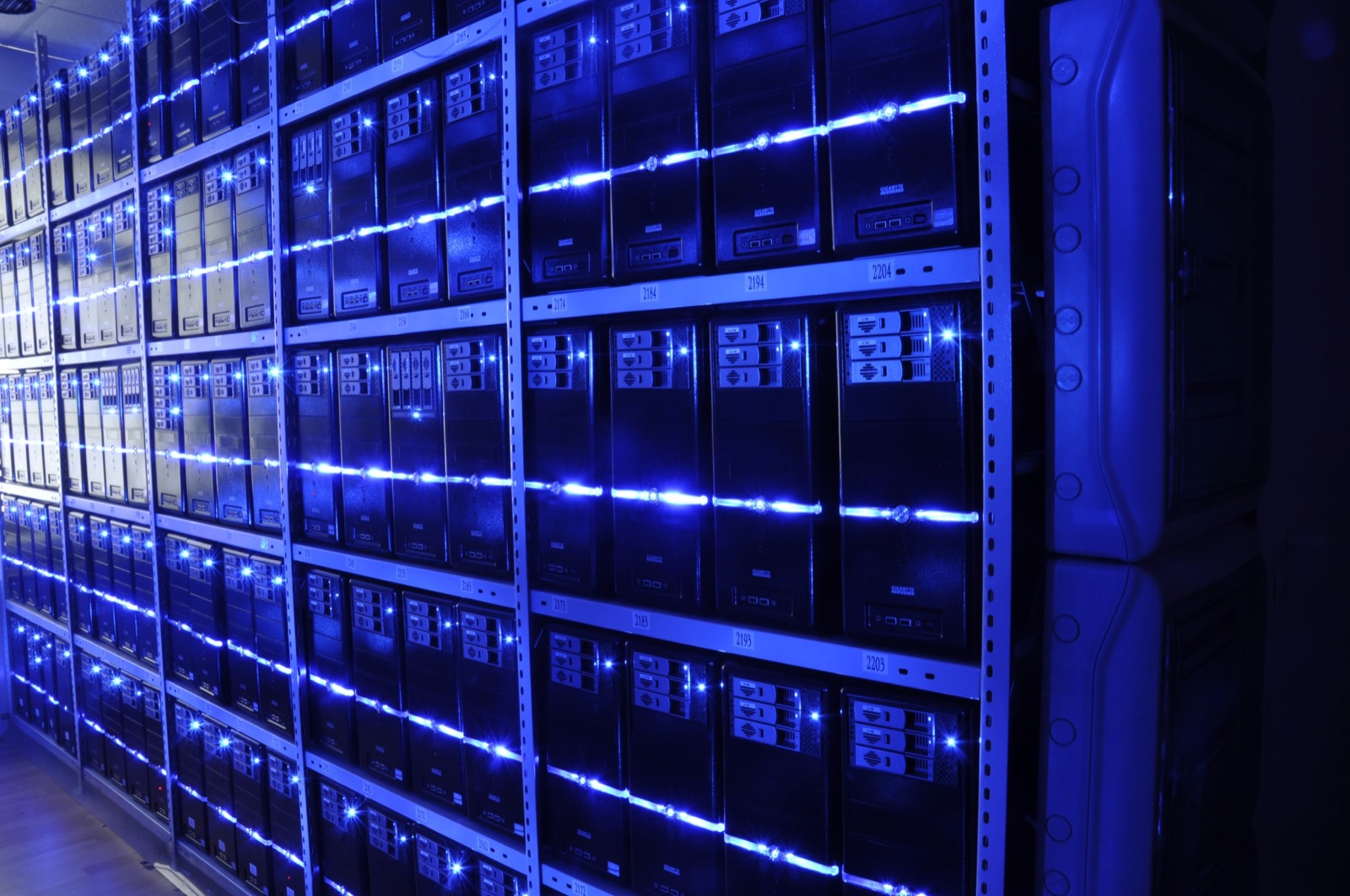
Gathering them changes one thing. Until now the affiliates sold their own goods to their own customers. Semiconductors bid as semiconductors and batteries bid as batteries, and even when those goods ended up in the same building, the contracts were separate. Holding a share of Helix together means discussing supply from the shareholder side of the company that puts up the building. The distance between the party selling and the party buying gets shorter.
Samsung did not think this structure up. Helix was built from the start as a company where the investors are the suppliers. The founding investor Vistra took a stake and received the preferred power provider position for Helix projects at the same time. A company holding generation assets in 18 states and Washington, DC, with over 5,000 megawatts already under contract to hyperscale operators, sells its own electricity into the sites it helped fund. NVIDIA likewise supplies chips and technology while sitting among the founding investors. Vistra staked power alone and NVIDIA staked chips alone, while Samsung staked semiconductors, cooling, construction, operations and power at once. It entered the same position along five lines.
What Samsung has taken from the AI boom so far has mostly been the price of parts. High-bandwidth memory sells well and earnings rise; it stops selling and they fall. The party that wrote down that contrast is not the press but Samsung itself. The release says that going forward Samsung "is poised to expand its role from a traditional hardware component supplier to an active architect of the global AI infrastructure ecosystem." Put plainly, it moved one step over, from supplying the parts to holding equity in the site where those parts will run.
The distance Samsung moved should not be overstated. It acquired equity in a company called Helix, not ownership or operating rights over the data centers themselves. The roles written into the release are supply, construction and operating services, not asset ownership. Samsung now has a foot inside the decision structure of those sites, and how wide that foothold becomes is not in the announcement yet.
The Bottleneck Came Down From Chips to Power
Read on its own, this deal ends with Samsung spending a lot of money. Put the surrounding events next to it and a different picture appears. A few years ago the contest in AI was decided on models and chips. How many GPUs you had secured was the ranking. The announcements arriving now cluster at the back end rather than the front. Where the site was acquired, how many megawatts were locked in, when the transformer arrives: those are the headlines.
Outsiders are not the only ones reading it this way. Samsung's own release, describing what Helix is built to do, says the company recognizes "that power availability is currently the greatest bottleneck in AI infrastructure." The same release also contains the line that if data centers are the production hubs of the AI era, power is the fuel that drives them, and that the ability to secure both at once has become a defining competitive advantage. The company writing the check named power as the bottleneck in its own press release.
A data center goes up in one or two years, while a new transmission line takes five to ten years from planning to commissioning, on the consulting industry's common estimate. The wire is slower than the building. Analysis in Korea traces the same shift. Samil PwC's report of September 17, 2026, Global Data Center Outlook 2026–2050, found that information and communication equipment such as GPUs and servers will rise from 70% of total data center investment in 2026 to 93% in 2050, and that the industry's value is moving from buildings and land toward GPUs, memory, power equipment and cooling systems. It also noted that this equipment has to be replaced every four to six years, so running one facility for 20 years brings three to five further rounds of large reinvestment. The shell lasts while the contents turn over on a cycle.
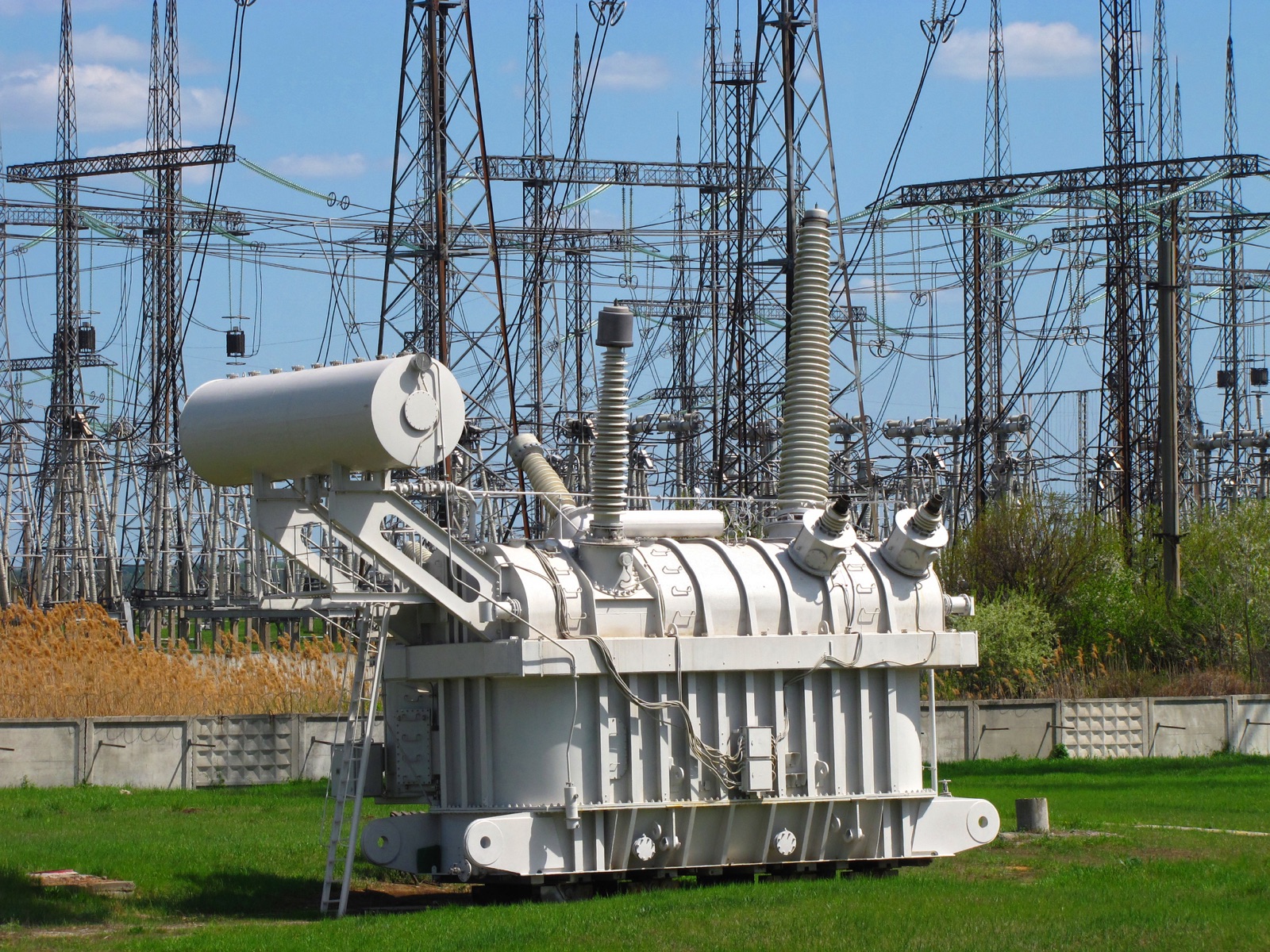
The way Helix is put together lines up with that diagnosis. A generator sits among the shareholders because power runs short. Connectivity and completion slip for the same reason, so the fiber network is part of the product and design and construction are sold together. The places the Samsung affiliates took follow the same logic. Chips, cooling, construction, power, operations — an affiliate stands at each point where the schedule can break, with two financial companies funding them from behind.
Why Pebblous Is Watching This Investment
From here on, the question is where the record piles up inside that same announcement.
In the role list from section 1, the Samsung SDS seat differs in kind from the rest. Semiconductors, cooling units and batteries leave your hands once delivered, while operation continues for as long as the facility runs. Operating a data center means standing where the record accumulates second by second: how many hours the servers ran, which rack went down and when, how much power it drew. When you sell a part, how that part holds up in the field mostly sits inside the customer's records, and the seller rarely knows.
Other companies have already shown what such a record makes possible. Whoever knows the conditions under which cooling falls short, the load patterns that break power efficiency, and the discharge cycle at which battery performance bends is the one who corrects the next product's design. A company that sells chips and a company that watches those chips run twenty-four hours a day sit in the same market holding different information.
One thing should be stated clearly here. Nowhere in this announcement does it say that Samsung takes the operating data of the Helix data centers. Ownership and use of data are settled by contract, and the terms of that contract were not disclosed. The paragraph above is a general point about operation producing a record where it happens, not a condition of this deal.
A question is still worth leaving behind. In the AI industry, which asset holds its value longer, the chip or the record of the chip running? A chip falls behind the next generation in two or three years, while the operating record from the field is worth more the longer it accumulates, because that is where the grounds come from for deciding how to build the next generation and how far cooling can be pushed. The scene Pebblous runs into often, working on data quality, resembles this one. Budget goes into bringing the equipment in, and nobody budgets for collecting what that equipment leaves behind in a form anyone can use. A few years later what remains is an impression rather than a log.
Thank you for reading this far. The original Samsung announcement can be read at Samsung Newsroom. If equipment or facilities in your own organization leave records behind, we would be glad if you checked whether those records are being kept in a form you can pull out later, and told us what turned out to be missing.
References
Official Announcements
- 1.Samsung Newsroom. (2026-09-29). "Samsung To Invest USD 1 Billion in AI Infrastructure Company Helix." Source of the affiliate roles, of "the greatest bottleneck in AI infrastructure," and of the "hardware component supplier to an active architect" line quoted in section 3. No role is stated for Samsung Life Insurance or Samsung Fire & Marine Insurance.
- 2.삼성전자 뉴스룸. (2026-09-29). "Samsung Affiliates To Invest USD 1 Billion in Helix." Korean-language edition of the release above.
- 3.Helix Digital Infrastructure & KKR. (2026-09-28). "Samsung Commits $1 Billion to Helix Digital Infrastructure to Support Global AI Infrastructure Buildout." Business Wire release, republished. Source of the Selipsky quotation, which does not appear in the Samsung release.
Korean Coverage
- 4.AI Times. (2026-09-29). "Six Samsung Affiliates Invest 1.4 Trillion Won in US AI Infrastructure Company Helix." In Korean.
- 5.The Korea Economic Daily. (2026-09-29). "Samsung Group Bets on AI Infrastructure With $1 Billion Into Helix." In Korean. Its founding date for Helix conflicts with the other sources, so this article did not adopt it.
- 6.The Seoul Shinmun. (2026-09-29). "Six Samsung Affiliates Invest $1 Billion in US AI Infrastructure Company Helix." In Korean. Per-affiliate amounts and founding investor status.
- 7.Samil PwC. (2026-09-17). "AI Infrastructure Competition Moves Beyond Data Centers to Power and Supply Chains." In Korean. The ICT equipment share of 70% rising to 93% and the four-to-six-year replacement cycle come from the report Global Data Center Outlook 2026–2050.
International Coverage and Industry Data
- 8.GeekWire. (2026-06-11). "Former AWS CEO Adam Selipsky to lead $10B AI data center venture." Reported the "more than 25%" remark from the CNBC appearance on launch day.
- 9.CNBC. (2026-09-29). "Samsung to invest $1 billion in Nvidia- and KKR-backed AI infrastructure firm Helix."
- 10.DataCenterDynamics. (2026-06-11). "KKR launches Helix Digital Infrastructure to deliver hyperscale data centers with secured power." Launch structure, Vistra's preferred power provider position and its 5,000MW of agreements.
- 11.Wood Mackenzie. (2025). "Transformer troubles: manufacturing and policy constraints hit US transformer supply." The 128-week transformer lead time and the 77% rise over 2019, from the Q2 2025 supply chain survey.
- 12.Seattle City Council. (2026-06-09). "City Council passes emergency data center moratorium and policy framework." One-year halt on new large data centers.